

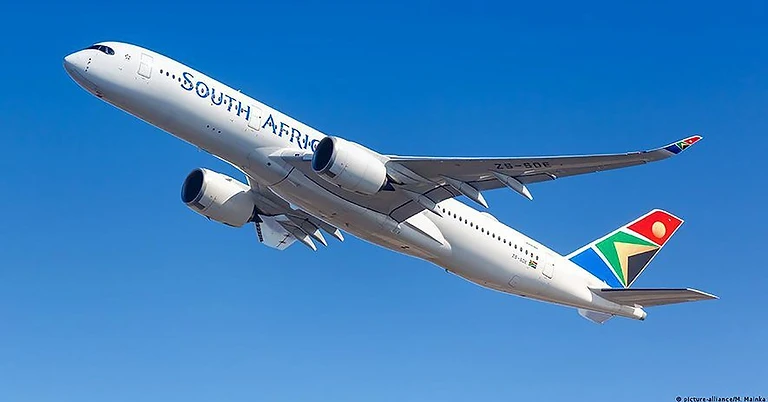
Questions about SAA recovering an estimated R900 million in ticket sale revenue from Zimbabwe have resurfaced following a recent parliamentary committee’s criticism of progress in securing payment.
The Standing Committee on Appropriations, which met in Parliament on October 6, said the Department of International Relations and Cooperation lacks the capability to recover funds. The department has reportedly been facilitating discussions between ministers at binational commission meetings with the aim of getting Zimbabwe to release the funds owed to SAA.
Committee Chairperson Mmusi Maimane expressed dissatisfaction at the diplomatic process, saying the debt owed to SAA is impeding the airline’s ability to operate profitably.
A wider challenge
Blocked funds remain a challenge for airlines operating in several markets where foreign exchange controls, currency shortages or regulatory barriers prevent them from repatriating revenue earned locally.
According to IATA’s most recent blocked funds data, as of the end of July 2026, the total blocked funds withheld from airlines is US$624 million with 76% in African countries.
However, the scale of the problem does not mean that recovery is impossible in every market. Linden Birns, MD of Plane Talking, says some countries have made progress in resolving blocked funds crises.
“With IATA’s support and guidance, Nigeria has been able to resolve its blocked funds crisis and Angola is making similar positive progress.”
A unique problem
However, Aviation Consultant Sean Mendis believes SAA’s repayment is highly unlikely as the debt stems from ticket sales made in local currency during Zimbabwe’s hyperinflation years.
“In Zimbabwe’s case, the legacy debt is basically money from tickets sold in Zimbabwean currency that, during the hyperinflation years, effectively lost value to virtually zero,” says Mendis.
“Tens of thousands of businesses had huge losses during Zimbabwe’s economic crisis when they basically had to write off their funds in Zimbabwean banks because of the devaluation of the Zimbabwean dollar,” he points out.
“SAA has not done the same, which is their right, but the likelihood of them getting the book value of this money back from Zimbabwe is near zero because it would basically set a precedent for the Zimbabwe government to pay back anyone who’s lost money.”
Pressure on SAA
At a meeting of the Portfolio Committee on Transport on April 21, Thato Kunene, a Senior Audit Manager for the Auditor-General of South Africa, warned that SAA could face insolvency within 12 months if operating losses, negative operating cash flows and other challenges persist under certain conditions.
Mendis weighed in on whether SAA’s business rescue plan hinges on the recovery of funds from debts owed by foreign governments.
“It’s really impossible to make clear what SAA’s financial position is. With regard to the financial structure, as far as I can tell, there is insufficient capitalisation for the business plan they want to execute. And I would not be surprised if part of the so-called funding is based on recovery of debts that are effectively unrecoverable.”
Mendis also raised questions about making recovered funds available to support SAA’s current operations, given the claims of creditors affected by the airline’s business rescue.
“The reality is, if people really want to apply the law, the funds would go to the creditors of SAA before the business rescue, who had taken on major losses when that entire equity was wiped out.”






















Comments (0)